







Search Results for: coffee bean dosage
Siphon Coffee Grounds Grind Size and Dosage Explained: Reference Grind Standards for Cold Drip, French Press, and Cold Brew
In coffee brewing, grind size is the key variable that determines the direction of flavor. The same coffee beans, when used in a siphon, cold drip, French press, or cold brew, require different particle coarseness and coffee doses because of their different extraction principles. This article systematically sorts out the coarseness standards and dosage recommendations for siphon coffee grounds, and compares the reference grind size ranges for cold drip, French press, and cold brew, helping you find the flavor balance point among different devices. The article also includes practical recommendations from Front Street Coffee; whether you are a beginner or an advanced enthusiast, you can find reliable parameter references here. [more…]
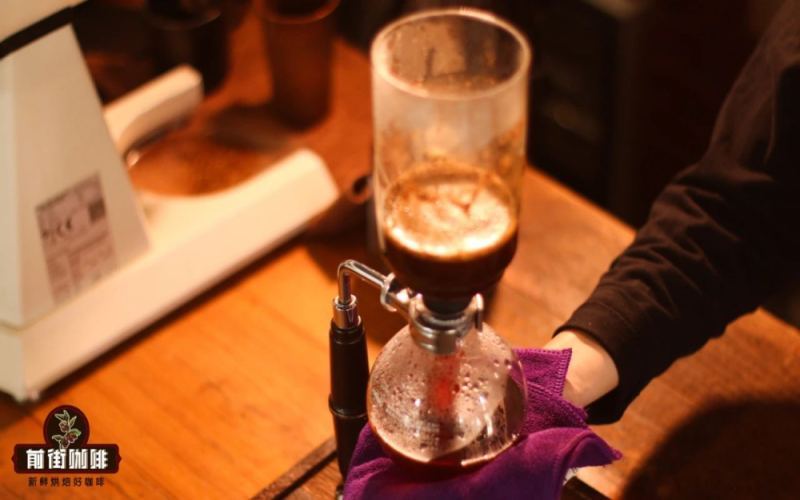
Siphon Coffee Brewing Guide: A Complete Analysis of Coffee Bean Dosage Standards and Equipment Structure
Siphon coffee has always held its own among coffee enthusiasts, thanks to its rich, robust body and intense, full aroma. Unlike the clean, layered profile pursued in pour-over coffee, the siphon delivers a weightier taste experience. But to brew an ideal cup of siphon coffee, how much coffee to use, how to operate the equipment, and how to maintain the filtration system are all key questions you can't avoid. Drawing on Front Street Coffee's practical experience, this article breaks down the structure and filtration system of the siphon in detail, helping you consistently reproduce a delicious cup of siphon coffee at home. [more…]

Fujian Consumers Council tested 59 freshly made coffee samples and all contained acrylamide; is the dosage safety being misinterpreted?
Recently, the Fujian Province Consumers' Rights Protection Commission released a comparative test report on freshly made and sold coffee. In tests of 59 samples from 20 brands in Fuzhou, low levels of acrylamide, a Group 2A carcinogen, were found in all of them. After the news spread through self-media, it quickly triggered public concern. In fact, acrylamide in coffee is naturally produced during the roasting process and is not artificially added. This article will analyze the testing background, the sources of acrylamide, and the carcinogenic dose in order to help readers view this test result rationally and avoid being misled by scary headlines. [more…]
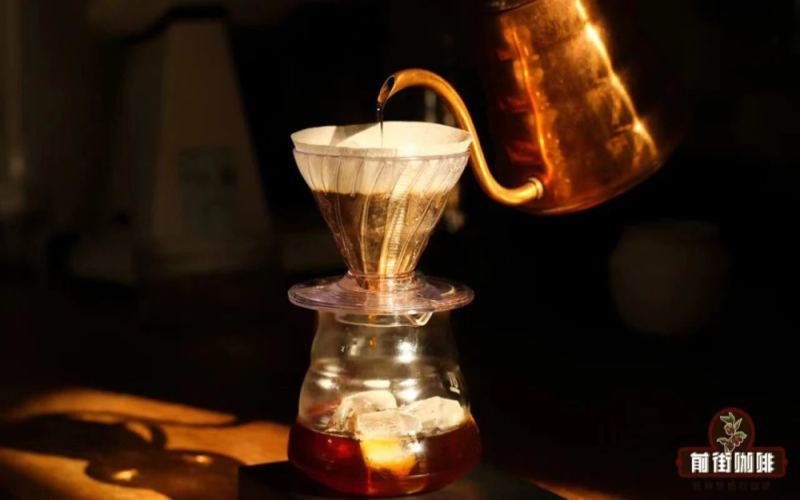
Ice Cube Dosage and Coffee-to-Water-to-Ice Ratio Tips for Iced Pour-Over Coffee: Looking at the Difference Between Aged Ice and Young Ice from Front Street Experiments
When making iced pour-over coffee in summer, the most agonizing decision is often not which beans to choose, but exactly how much ice to throw in. Too little ice and the coffee turns lukewarm; too much and it becomes thin as water. A slight deviation in ratio and it's easy to mess up. This article focuses on the two core functions of ice in iced pour-over—cooling and dilution—breaks down the reasonable ratio range among coffee grounds, water, and ice, and shares a comparative experiment about old ice versus young ice. The experiment uses 15 grams of Emerald Estate Green Label Geisha with a Hario V60 dripper, revealing through actual testing how freezing time affects ice hardness and melting speed. If you also want to consistently make a cup of iced pour-over at home with moderate strength and lasting chill, the following content is worth reading to the end. [more…]
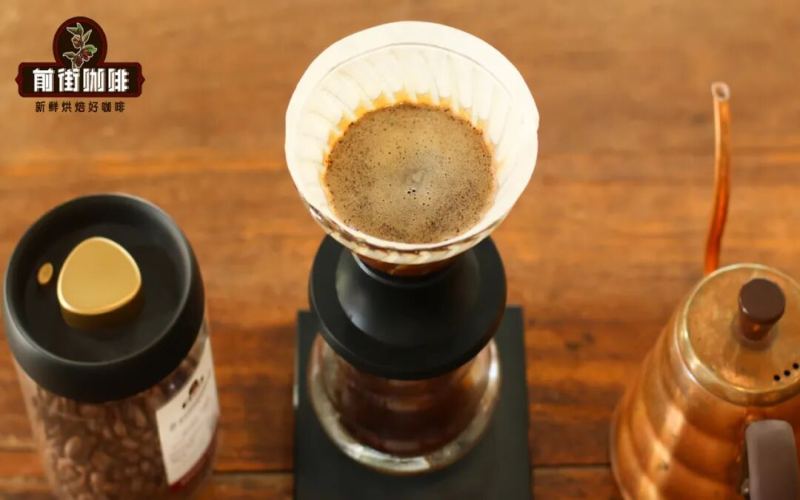
Coffee Grounds Dosage | What is the ideal coffee-to-water ratio for pour-over coffee? Will a 1-gram difference in coffee grounds change the coffee's flavor?
For coffee brewing, the coffee-to-water ratio is one of the important factors that need to be considered first. But because it does not need to be adjusted according to the roast level of the coffee beans like water temperature and grinding, we often fix a ratio to brew coffee of all roast levels. For example, Front Street often recommends new [more…]

Complete Brewing Parameters Analysis of Ice Dosage for Iced Pour-Over Coffee and the Japanese Rapid Cooling Method
When making iced pour-over coffee, the choice and amount of ice are often the questions enthusiasts ask about most. The core role ice plays in iced pour-over is rapid cooling, not aroma preservation or insulation. Because melted ice dilutes the coffee's strength, its density and quantity directly determine the finished cup's taste and drinking experience. This article will go through the considerations for choosing ice, recommended amounts, and the complete process and specific parameters of Japanese-style rapid-chill iced pour-over, one by one. The article also uses Front Street Coffee's Geisha Village Estate Red Label Geisha as an example to share a practical approach combining high-concentration extraction with a precise ice ratio, helping you brew a cup of refreshing, full-bodied, flavor-forward iced pour-over coffee at home. [more…]
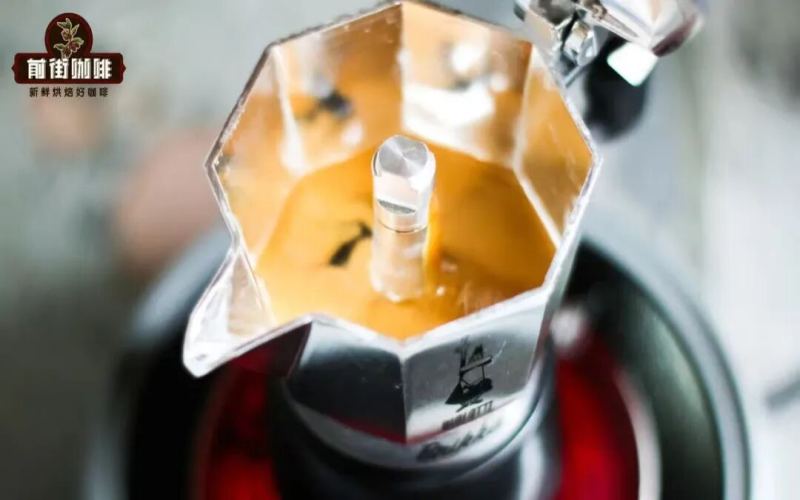
Moka Pot Coffee Bean Recommendations | Is Light Roast Coffee Suitable for Brewing in a Moka Pot? Introduction to Moka Pot Coffee Grind Size and Dosage Parameters
After drinking too much coffee of a certain flavor, we always want to try something new. For example, some friends who use moka pots, although they usually buy deeply roasted coffee beans full of caramel aroma to make moka pot coffee, occasionally want to switch to light-roasted beans to experience the floral and fruity notes of light-roasted coffee. However, due to online [more…]
A Complete Guide to Coffee Grind Sizes: Comparing Grind Standards and Dosages for Seven Brewing Methods, Including Siphon, French Press, and Espresso Machines
Coffee beans must be ground before their aromatic compounds can be extracted, but different brewing devices work on different extraction principles, so grind size is not interchangeable between them. Using the industry-recognized cupping grind standard (70–75% passing through a No. 20 sieve) as the baseline, this article systematically breaks down the grind parameters and adjustment logic suited to each common brewing device, including the French press, pour-over, cold drip and cold brew, siphon, espresso machine, and moka pot. From immersion to pressurized methods, from coarse sugar to flour-fine powder, Front Street will explain one by one why each device requires a specific grind size, and how to flexibly fine-tune it according to roast level, water temperature, and extraction time, to help you find the grind solution that best suits your own cup. [more…]

Latte Art Coffee Ratio Guide: A Full Breakdown of Espresso Dosage, Milk Frothing, and Pitcher Handling Techniques
To make a beautiful and delicious latte art, having good equipment alone is not enough. The choice of ingredients, espresso extraction ratio, milk foam condition, and pitcher-holding technique all directly affect the final result. Based on Front Street's hands-on experience, this article explains in detail the matching ratio of espresso to milk when making a latte, recommends espresso blend beans suitable for latte art, and breaks down the principles of integration and pattern formation in latte art. At the same time, addressing the common pitcher-holding posture problems of beginners, it provides two practical gripping suggestions to help you develop stable muscle memory through repeated practice, gradually improving your success rate in latte art and the fineness of your patterns. [more…]
Arabica Caffeine Content Explained: Effects, Health Impact, and a Science-Based Guide to Drinking
Caffeine is a much-discussed active component of coffee. It dissolves easily in hot water but poorly in cold water, stimulates the central nervous system, sharpens the mind, and also has cardiotonic and diuretic effects. A cup of coffee typically contains 60-65 milligrams of caffeine, but excessive intake may cause discomfort such as tinnitus and palpitations. Black coffee is considered the way of drinking that best preserves the beneficial components, offering multiple functions such as refreshing the mind, stimulating the appetite, promoting urination, activating blood circulation, relieving asthma, and removing odors. Light roasts have a higher caffeine content, which helps with weight loss, while the antioxidant effects of black coffee help fight cancer and aging. A healthy adult can metabolize 500-600 milligrams of caffeine per day, roughly equivalent to 5 cups of coffee, while pregnant women need to reduce their intake. This article will systematically analyze the mechanisms of caffeine's effects, its pros and cons, suitable populations, and scientific drinking methods, and recommend quality products from Front Street Coffee. [more…]
Analysis of Costa Rican Specialty Coffee Bean Origins, Mirazu Geisha Blend Flavor, and Brewing Key Points
Costa Rica is located in southern Central America, and the coffee it produces is similar in quality to Colombian coffee, often used in coffee blends. This article will walk you through the bean size, acidity, and aroma characteristics of Costa Rican coffee, as well as the impact of high-altitude cultivation on flavor, with a special focus on the flavor profile of Mirazu Geisha blend coffee beans. At the end of the article, we've also compiled nine key points to note when brewing coffee, including water temperature, water quality, grind size, and recommended dosage, to help you consistently extract a delicious cup at home. If you're a fan of specialty coffee, this bean recommended by Front Street Coffee is a great place to start. [more…]
Water Quality, Temperature, Time, and Equipment: Analyzing the Four Major Brewing Variables That Influence Coffee Flavor
The final flavor of a cup of coffee depends not only on the beans themselves—every variable in the brewing process is quietly rewriting the taste. Water quality is the foundation: hard water or water with high iron content will directly drag down the flavor; water temperature needs to be controlled between 80°C and 90°C, as boiling water only lets bitterness steal the show. Steeping time is equally critical, with around two minutes being the ideal range; steep too long and the aromatic oils are destroyed, while a cloudy film also rises to the surface. The material of the equipment cannot be ignored either: glass and ceramic are safe choices, while metal vessels easily trigger oxidation reactions and bring unpleasant flavors. As for the dosage, it should be adjusted flexibly according to grind size and personal taste—coarse particles often require a bit more than fine ones. Only by mastering these key points can the coffee's aroma and layers be released steadily. [more…]
American Drip Coffee Maker Operation Guide: A Detailed Explanation of Coffee Grounds Amount, Coffee-to-Water Ratio, and Brewing Process
Want to easily make a cup of hot Americano at home without being put off by complicated brewing steps? A drip coffee maker may be the most effortless choice for beginners. It is intuitive to operate and follows a standard process, and brewing a pot usually takes only five to eight minutes. This article will systematically explain the correct use of a drip coffee maker from the aspects of model capacity, water standards, coffee powder dosage, and usage steps. It will also explain the difference between it and an espresso machine in making Americano, the suitable grind size, and several compatible coffee beans recommended by Front Street Coffee, helping you consistently recreate a smooth cup of hot or iced Americano at home. [more…]
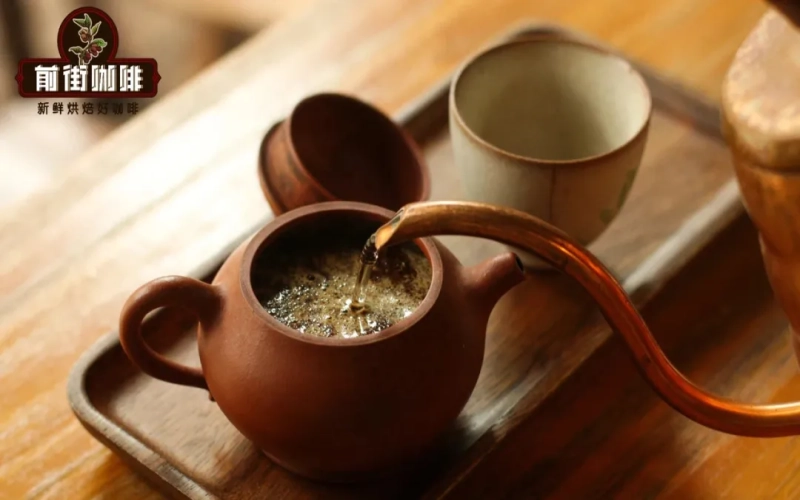
Can an espresso machine also brew concentrated tea? Testing the methods, parameters, and precautions for brewing tea with an espresso machine
The extraction principles of coffee and tea are essentially the same. Since an espresso machine can use pressure to extract a high-concentration coffee in a short time, can it also be used to extract a cup of "espresso tea"? With this question in mind, Front Street conducted an actual test: from the choice of grinding equipment, the adjustment of tea leaf dosage, to the control of the powder-to-water ratio and extraction time, the entire process of extracting tea with a coffee machine was fully recorded. Experiments have shown that a coffee machine can indeed extract tea with a concentration comparable to espresso, but many pitfalls were also encountered during the process—difficulties in cleaning the grinder, clogged portafilter baskets, and tea fragments seeping in and affecting the taste appeared one after another. This article will share the specific parameters and operating details, and give Front Street's practical advice: if you really want to try it, it is best to be mentally prepared, or add professional tea extraction tools. [more…]
A Comprehensive Analysis of the Mellow Flavor and Estate-Growing Characteristics of Jamaican Blue Mountain Coffee
Jamaican Blue Mountain coffee has long been regarded as the crown jewel of specialty coffee, its unique flavor—an interweaving of sweetness and rich body—captivating countless coffee lovers. Yet a high price does not always translate directly into exceptional flavor; to fully appreciate the charm of Blue Mountain coffee, one must pay close attention to the dosage and brewing details. This article will guide you through an in-depth look at the flavor profile of Front Street Jamaican Blue Mountain coffee, the characteristics of its estate and growing region, and analyze the story behind this legendary coffee—from harvesting and processing to packaging, transportation, and growing conditions—while answering why it occupies such a special place in the global coffee landscape. [more…]
Choosing High-Value Espresso Blends by Roast Level
The value of an espresso blend lies not only in whether the price is friendly, but also in whether it can consistently produce a cup of coffee that meets everyday expectations. The roast level affects acidity, sweetness, body, and extraction rhythm, and also determines whether the beans are better suited to black coffee or milk coffee. Before buying, getting a clear picture of the roast direction is usually more important than fixating only on the origin. [more…]
A Complete Guide to Arabica Pour-Over Coffee Grounds-to-Water Ratios: How Many Beans Are Right for a Cup of Coffee?
Brewing a good cup of pour-over coffee hinges on the coffee-to-water ratio and the amount of beans used. This article begins with the flavor differences between Arabica and Robusta, answers just how many coffee beans are needed to brew a cup, and explains in detail the optimal water temperature range, key points for choosing water quality, and the trade-offs between different brewing methods. Whether you prefer American filter coffee or espresso, the logic behind bean selection and dosage varies with your taste preferences, and the article also retains relevant product recommendations from the Front Street brand for coffee enthusiasts to reference and put into practice. [more…]

Siphon, V60, and Moka Pot Compared: Which Brewer Produces Better-Tasting Coffee?
The same coffee beans, extracted with different brewing devices, can present wildly different flavor profiles. Through practical testing, this article compares three brewing methods—the siphon, the V60 dripper, and the moka pot—and analyzes the taste characteristics and suitable audiences of each. Whether you prefer light and clean or rich and full-bodied, you can find a device that suits you. The article also shares cupping feedback on Front Street Coffee beans in two flavor profiles, Colombian and Mandheling, as well as a practical little tip for choosing a moka pot to help you avoid pitfalls. [more…]
Starbucks Flat White vs. Americano: A Taste and Bitterness Comparison, and an Analysis of the Core Differences Between Flat White and Cappuccino
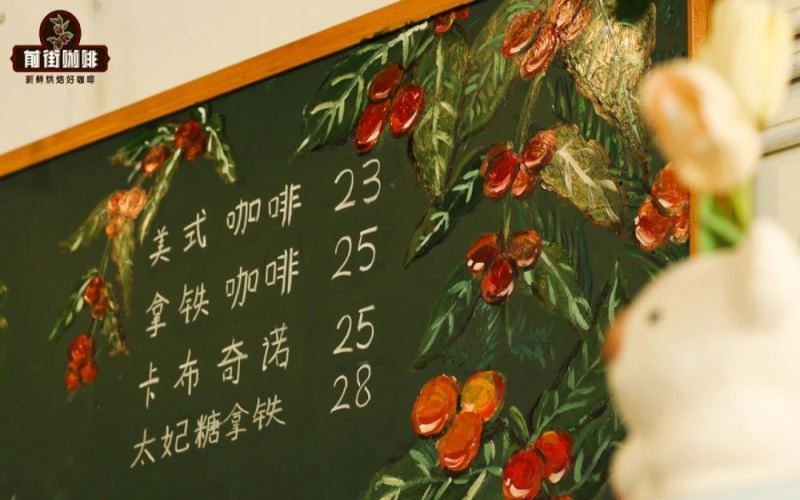
On Starbucks' menu, Americano, Latte, and Flat White are all very familiar options to consumers, and among them, Flat White quickly became popular after being introduced in 2020. Many people are curious: which is more bitter, Flat White or Americano? And how is it different from Cappuccino? This article will, from the perspective of Front Street, introduce the definition, origin, and cultural background of Flat White, analyze its differences from Latte and Cappuccino in terms of espresso dosage and milk foam texture, and share the specific way Front Street stores make Flat White, including blend bean selection, the coffee-to-liquid ratio of ristretto, and extraction parameters, to help you understand this milk coffee more comprehensively. [more…]
Analysis of Guatemalan Coffee Flavor Characteristics: Antigua Region Flor Coffee Bean Recommendation and Pour-Over Guide
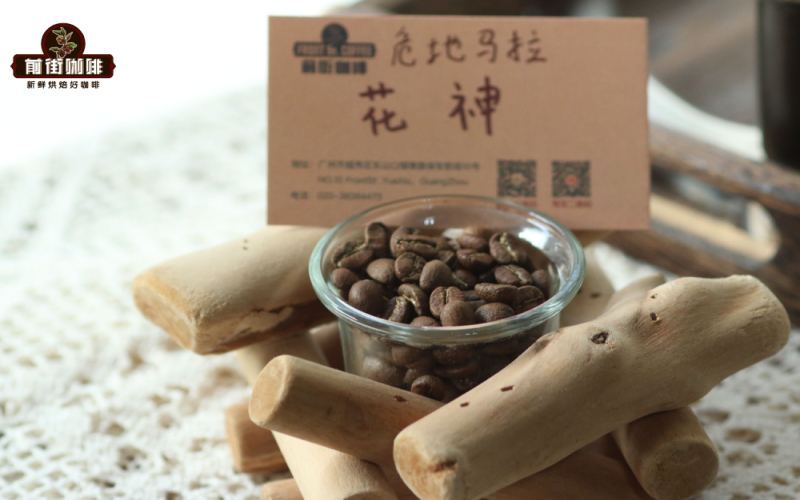
Guatemalan coffee is renowned for its rich sweetness of chocolate and toffee alongside elegant floral acidity, and the Antigua region in particular, with its unique microclimate surrounded by three volcanoes, nurtures specialty beans that combine full body with layered complexity. The Flor coffee beans recommended by Front Street Coffee come from the La Minita estate in Antigua, are washed-processed, and display a rich flavor profile of citrus acidity, floral notes, and caramel smokiness. This article will guide you through the taste characteristics of Guatemalan coffee, the variety and processing techniques of the Flor beans, and share Front Street's pour-over parameters and three-stage pouring method to help you extract the lively layers of this bean within its optimal flavor window. [more…]